
In the 10-year history of Sungrown, we have launched over 30 product lines under 10 brands. We’ve been lucky to have some hits that have stood the test of time, but others honestly didn’t justify the ongoing support they required.
Early in our growth phase, our ability to rapidly formulate and commercialize product offerings gave us an edge and identity. Our pace of launches signaled our dynamic nature, and gave customers a continuous journey.
In addition, our pace of launches helped us master all the minutiae. Product formulation, pricing & positioning, and go-to-market processes all became refined through relentless reps at a consistent pace.
But that launch competency came with a pitfall. Because we had confidence in our launch execution, we found ourselves saying yes more often than not. We saw some major growth from these decisions, but also started seeing the operational weight of our breadth.
We knew the visible costs of a launch, but we were just starting to see the hidden ones.
After building out a broadened offering, the indicators of these hidden costs started to flash: First, product management load increased. Next, our messaging efforts started feeling diluted. Finally, we found ourselves over-indexed on improving product and positioning in real time.
Our cornerstone product lines, like Full Spec Cadet, were chugging along in the background while the supplementary lines consumed most of the attention.
The lesson was clear and what I’d share with anyone looking to expand their offerings: Protect your hero product lines from being sidelined by the (much noisier) ancillary product lines.
This should start at inception. Start with rigorous traditional project tools like ROI Analysis, Stage Gates, and Scorecards, and then look for these 3 hidden costs of launches.
Hidden Cost 1: In-Market Product Management

Recognize the workload of maintaining a product in the market. Budget time to manage things like sales collateral replenishment, packaging inventory, and keeping product names consistent across internal systems.
If you don’t, you’ll find scrambled data, brain power devoted to operational bottleneck fixes, and meetings getting hijacked by long scavenger hunts for logistic information.
These operational nuts and bolts are present for every product, and each subsequent product launch brings the same sets of logistics to manage.
Over time, you may respond by developing new, improved systems and honing your management execution. This is all positive, but they don’t change the fact that thay are still pulling valuable mental energy from building up your core offerings.
To counter this, ask one simple question:
- What are all the tools, processes, and information systems that need to be managed with this new offering?
Taking true stock of the day-to-day work will lead you to understand the hidden product management costs, and potentially improve your systems in the meantime.
Hidden Cost 2: Sales & Marketing Energy
It’s easy to treat a product being available for sale as the finish line, but sales & marketing teams know the job has just begun.
They start asking the right questions, like:
- How are we positioning the product to stand out?
- What’s the email and social campaign?
- What’s the sales pitch?
- How are we supporting sell-through with merchandising and education and promotion?
- How are we tracking all of this and measuring results?
Keep in mind that stacking multiple product launches compounds all these questions.
If you’re not careful, your team will be suddenly drinking from a firehose, and spending valuable time navigating the training workload instead of messaging, selling, and converting.
Even if your people are razor sharp, quick moving, and adaptable, they still may get bogged down, and your hero product begins to lose attention from your own team.
To prevent this, ask yourself one simple question:
- How much of our sales & marketing teams’ weekly energy will be devoted to this product line?
In my experience, 50 to 80% of attention at launch is table stakes, and if product-market fit issues come up, that load doesn’t come back down. Understanding this ahead of time will help you avoid the pitfalls of bringing even seemingly easy products to market.
Hidden Cost 3: Customer Attention
There are finite opportunities to capture your customer’s attention.
In a product launch-heavy environment like consumer goods, that attention is very quickly depleted.
What you don’t want is for the products your customers love the most to become afterthoughts in conversations.
Every campaign, promotion, and sales meeting is a massive opportunity cost for your current winning product lines.
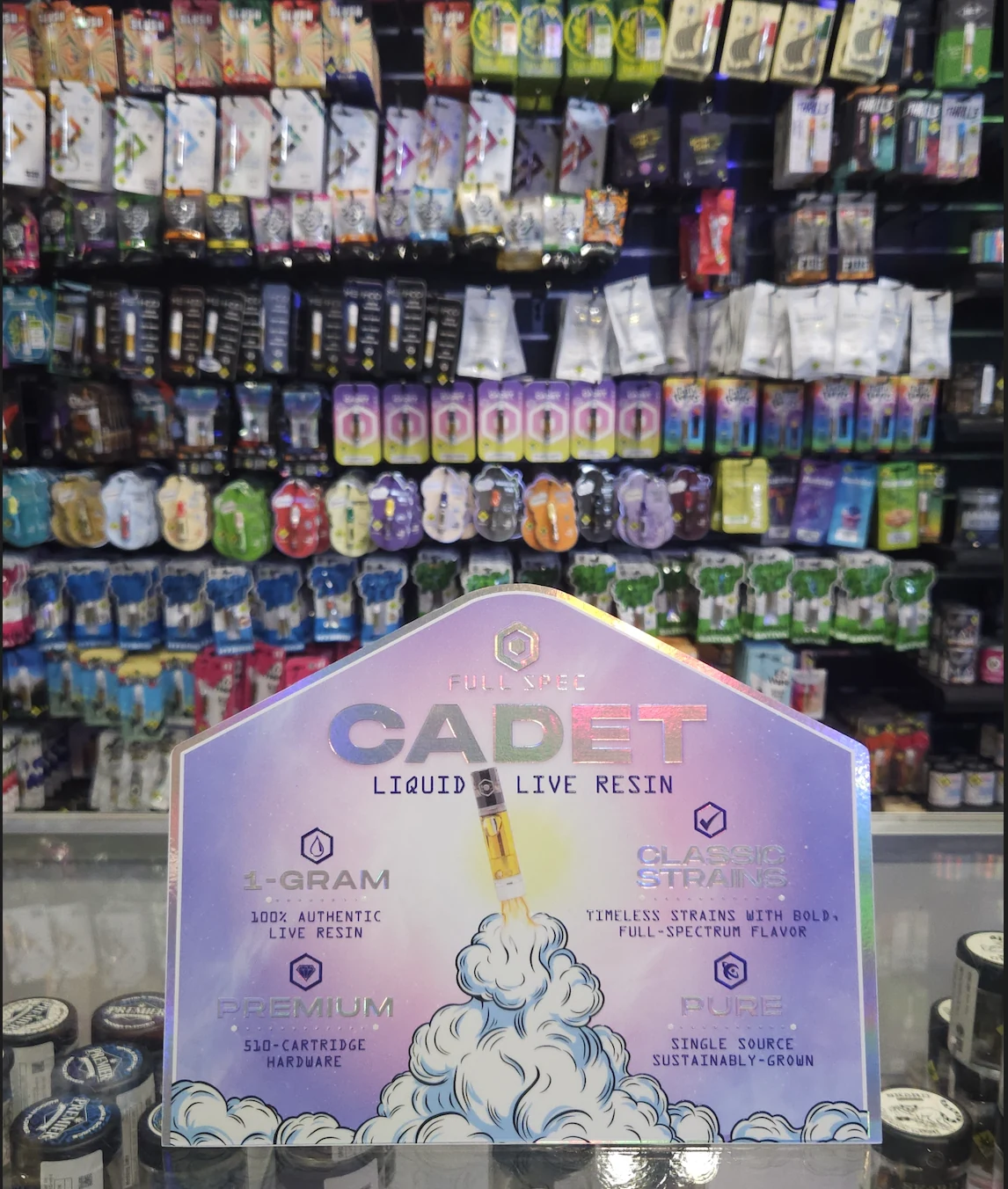
To avoid this, ask one simple question:
- If we launch this, which existing product will get less attention from our customers, and are we comfortable with that trade?
Many times, you will decide that you are comfortable with the trade. But don’t decide that without truly, honestly assessing it.
Even if you’re committed to adding significant resources to support the new product line, your customers aren’t expanding their attention.
After more than 30 product launches, I’ve learned to look beyond what it takes to get a product to market.
I’ve seen the ongoing commitments that each product launch comes with, and I’ve seen those commitments pull our team away from the products that are already working.
That’s the true price of a launch, and it belongs in the decision before we say yes.

